Portfolio/ Mixers & Grinders/ Kitchen Blender Design
Render
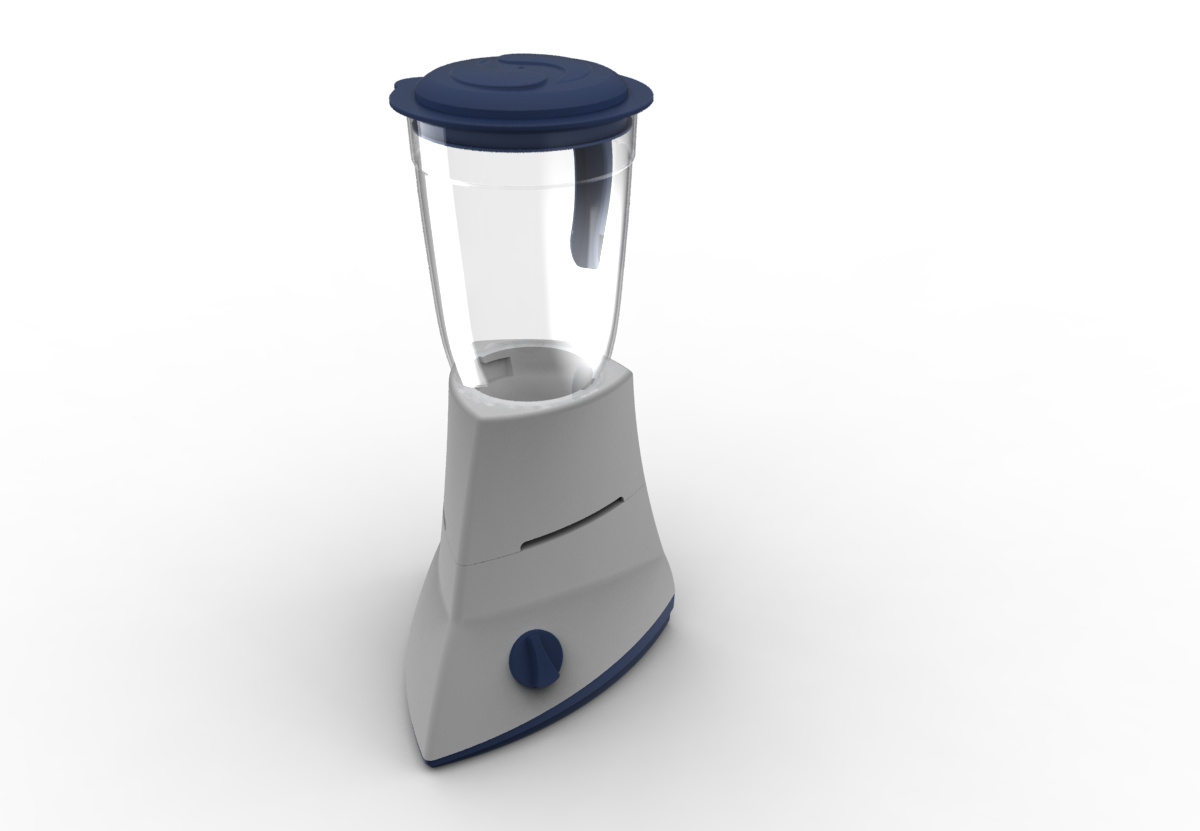
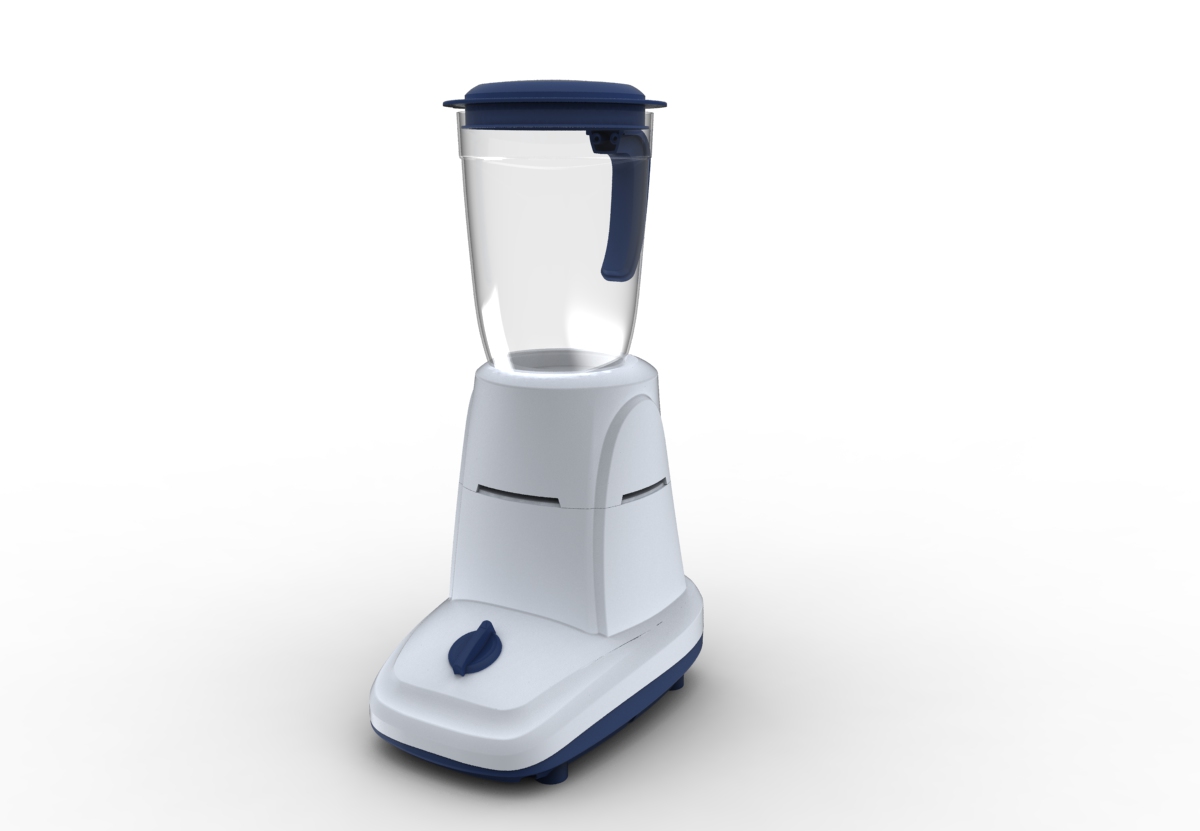
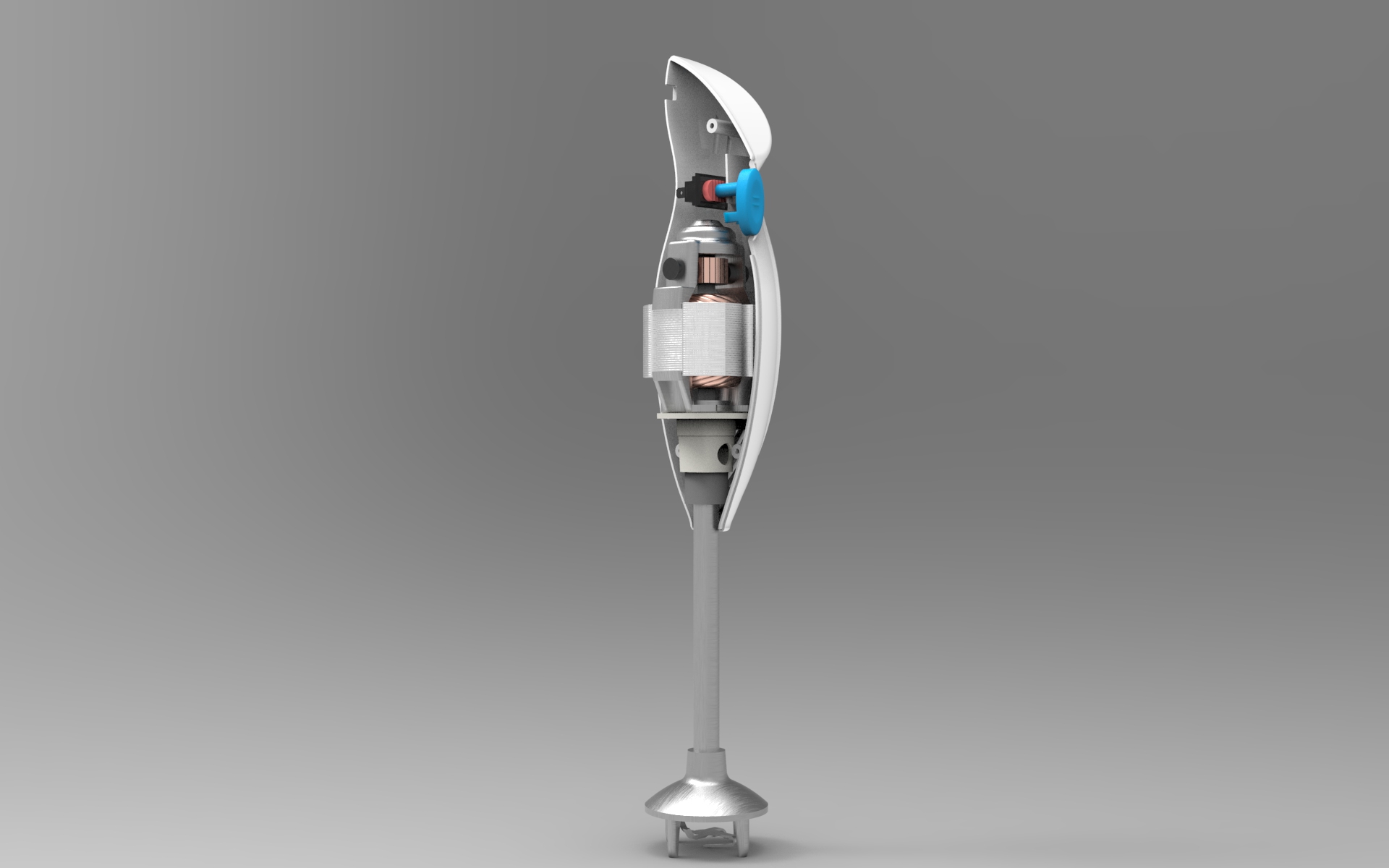
Render 01 — front view
◆ Interactive 3D
Drag to rotateScroll to zoom
View 1Render
View 2Render
View 3Render
View 4Render
View 5Render
Mixers & Grinders

Kitchen Blender Design

Complete Product Development
AMD Techlab managed the complete product development process from concept and industrial design to manufacturing-ready CAD, injection mould engineering, and production support for large-scale manufacturing.
Modern Industrial Design
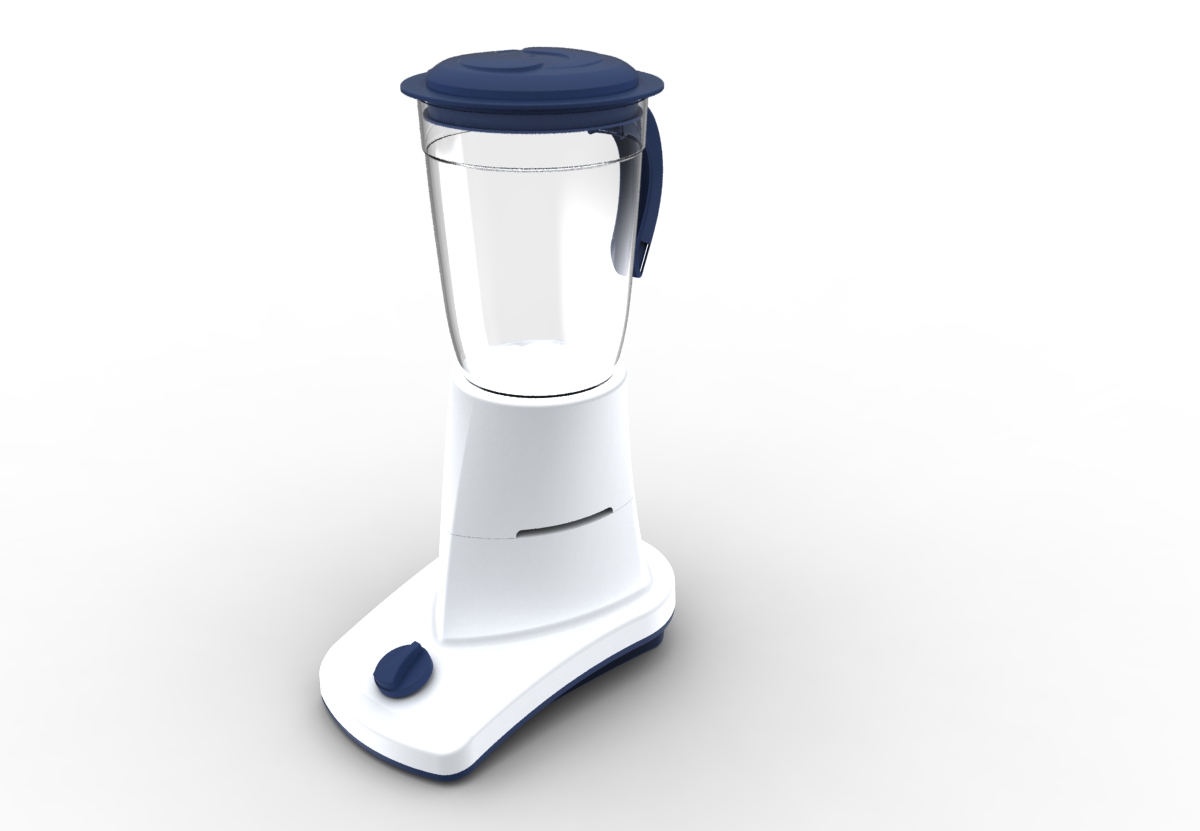
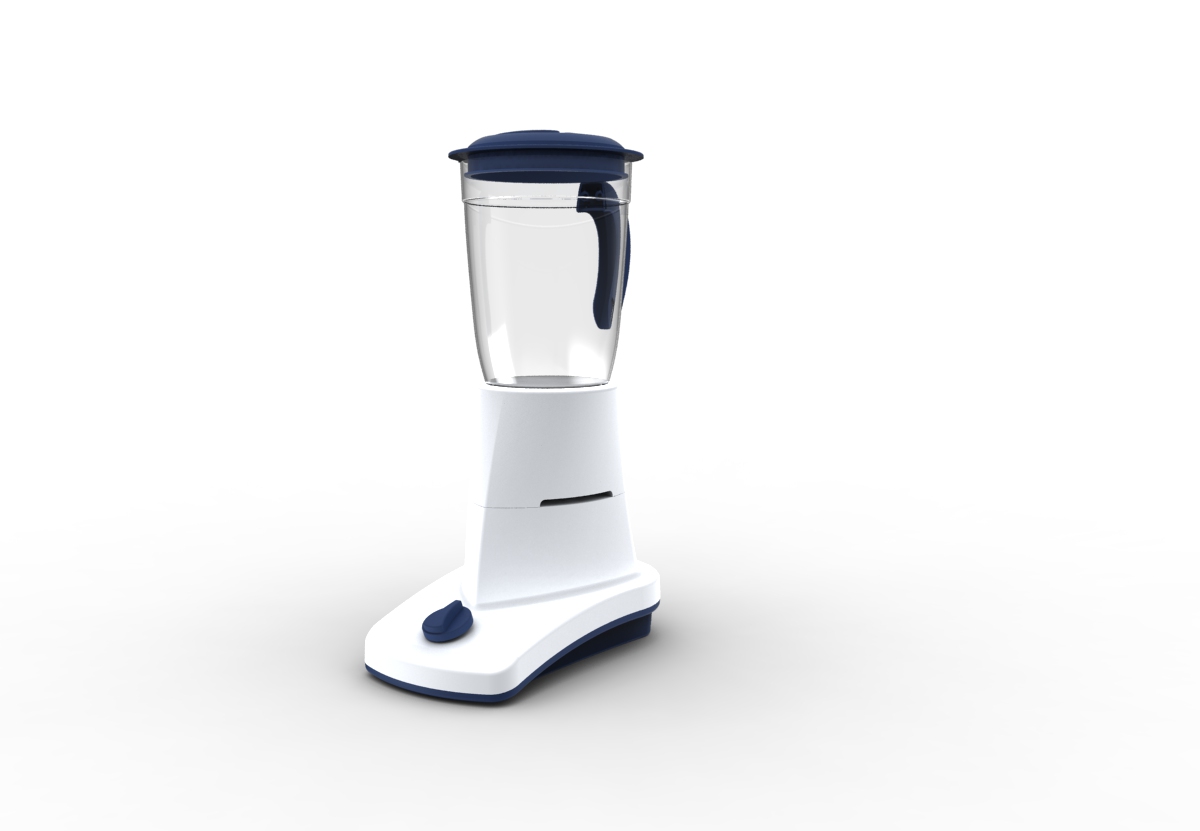
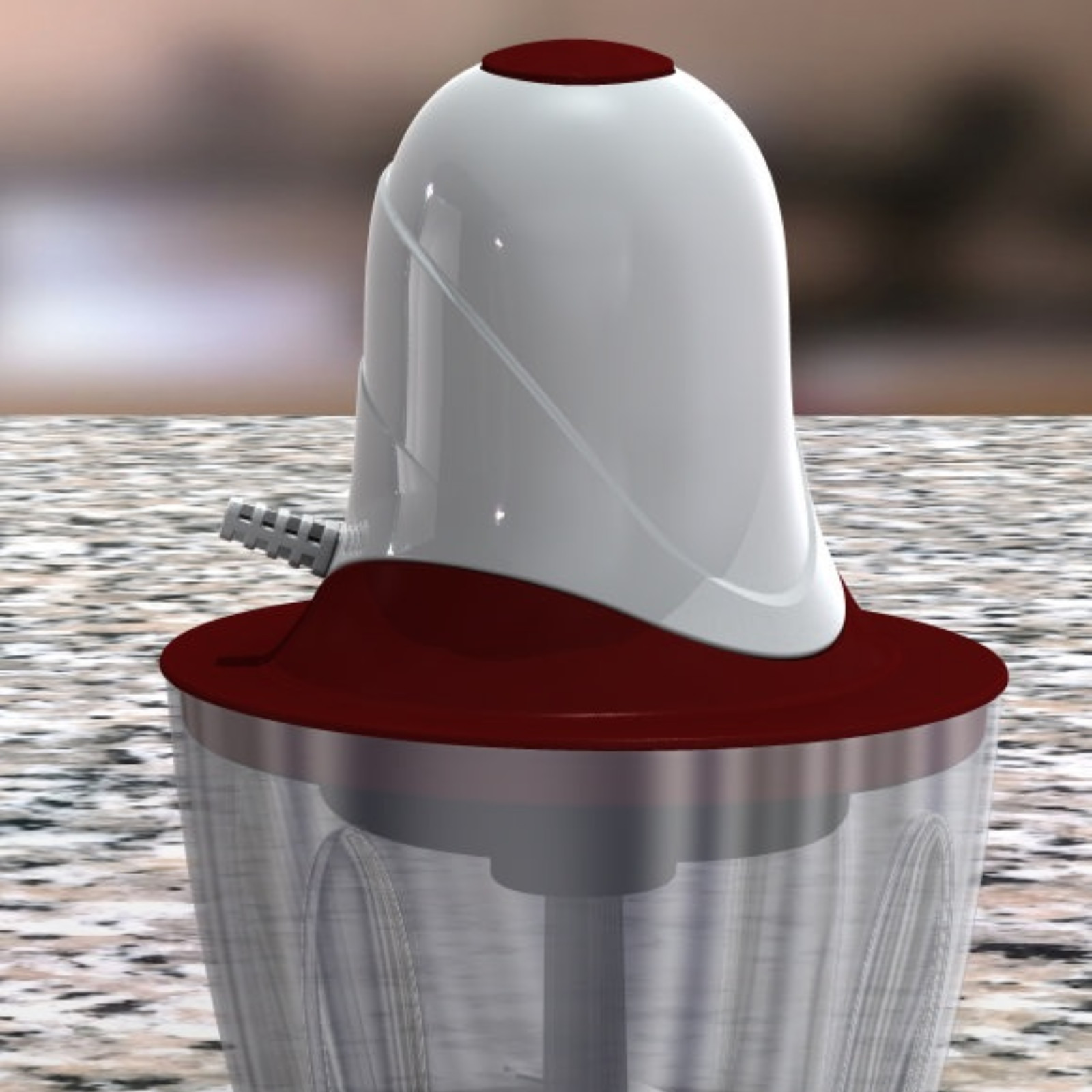
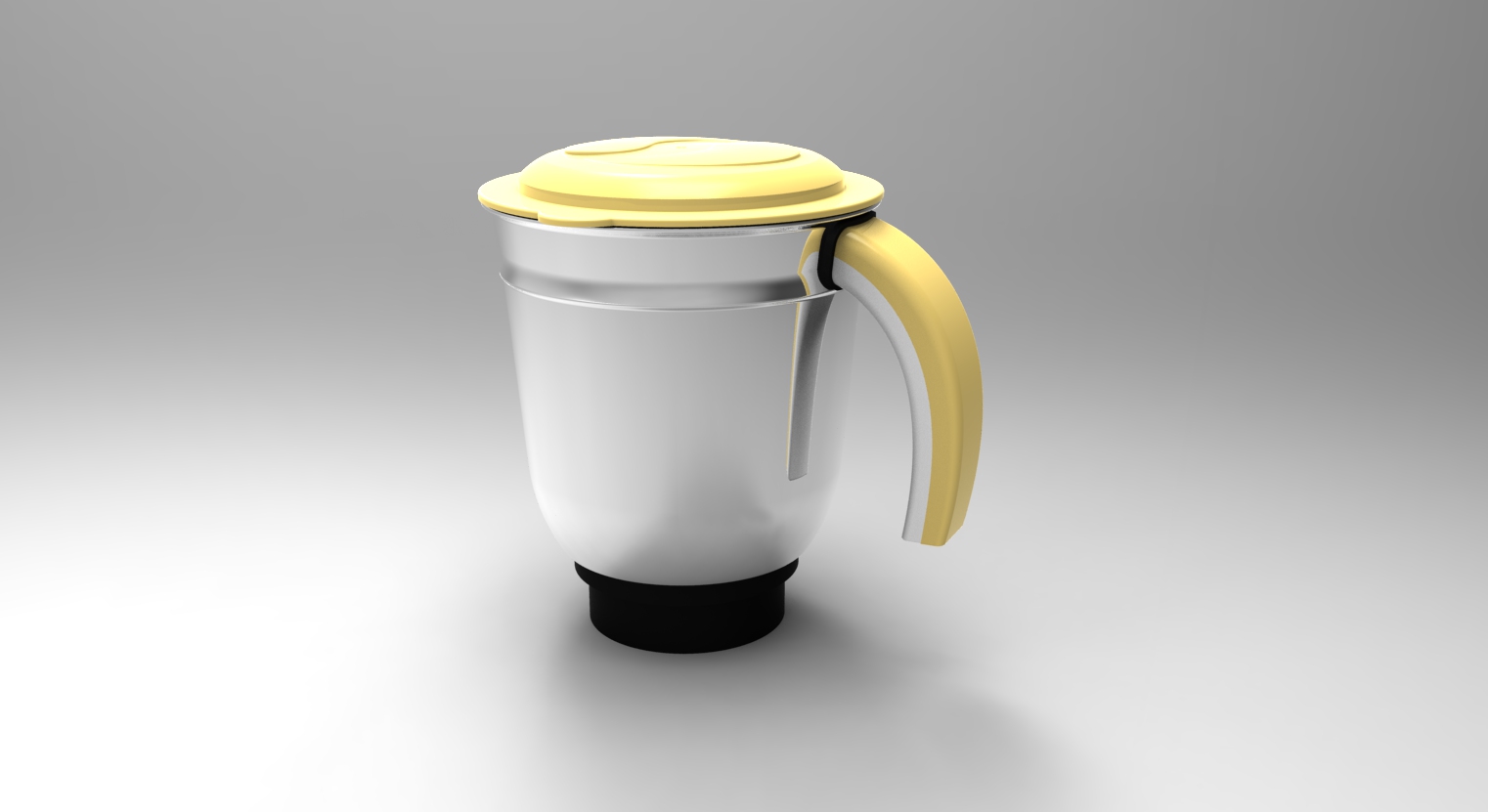
The blender features clean styling, refined surface transitions, premium proportions, and pattern design for enhanced visual appeal, creating a product with strong shelf presence and higher perceived value.
Precision Engineering
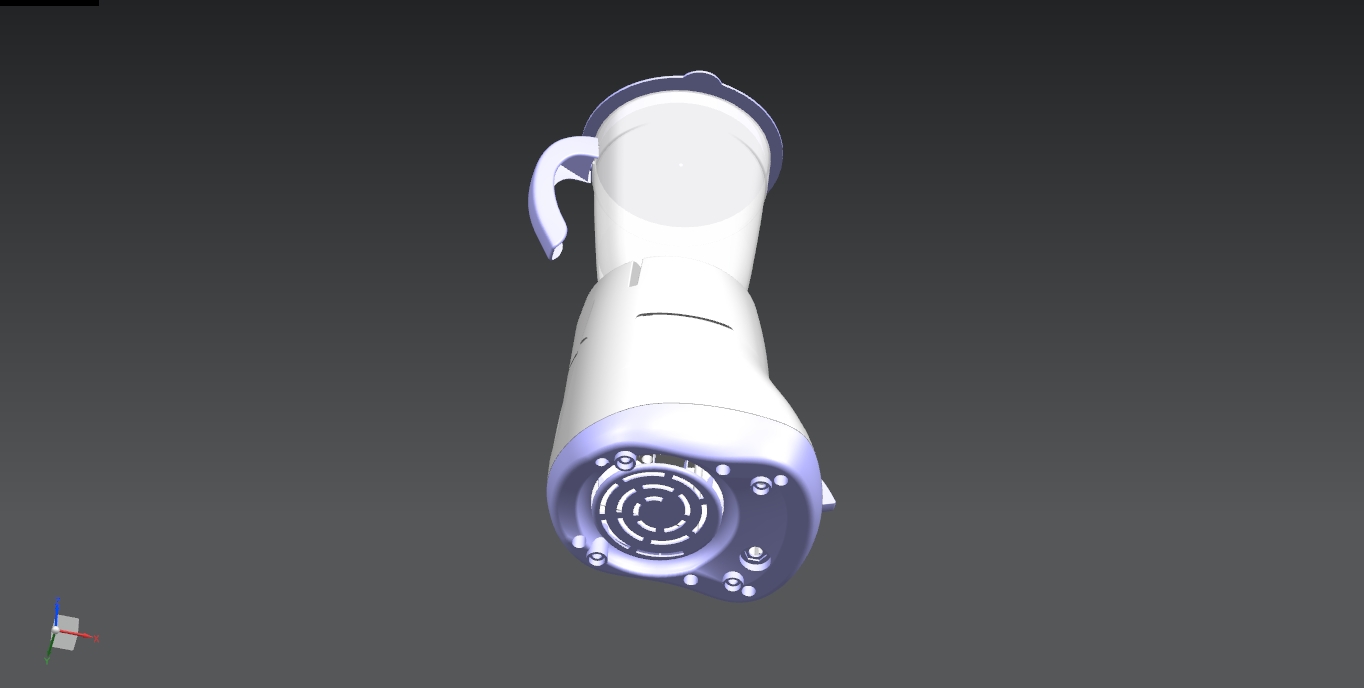
Every internal component, including the motor, drive system, jar interface, and structural supports, was digitally engineered and validated to ensure accurate fitment, reliable performance, and efficient assembly.
Optimized for Manufacturing
Designed using Design for Manufacturing (DFM) principles with optimized wall thickness, draft angles, snap-fit features, rib structures, and tooling strategies for efficient plastic injection mould production.
Production-Ready Engineering
Complete manufacturing-ready CAD models, injection mould design, STEP files, engineering documentation, and production data enabled a smooth transition from product development to commercial manufacturing.
Kitchen BlenderBlender DesignProduct DevelopmentIndustrial DesignConsumer Appliance DesignInjection Mould DesignManufacturing Ready CADDesign for ManufacturingDFMPlastic Product DesignMechanical EngineeringConsumer Product DevelopmentSTEP Files
Start a Project Like This →

The engineering behind it.

This kitchen blender was developed as a complete consumer appliance engineering project, combining premium industrial design, ergonomic usability, and manufacturing efficiency. The objective was to create a modern countertop blender with clean styling, balanced proportions, and pattern design that enhances visual appeal while increasing perceived product value in the consumer appliance market.

The engineering process focused on integrating and validating every internal component before finalizing the external enclosure. The motor assembly, drive mechanism, jar interface, control system, and structural supports were digitally packaged to achieve precise fitment, balanced weight distribution, simplified assembly, and reliable long-term performance. The housing was engineered to improve user comfort, reduce operating noise and vibration, and provide a stable platform during everyday use.

The product was optimized using Design for Manufacturing (DFM) principles for high-volume plastic injection moulding. Wall thickness, draft angles, rib placement, snap-fit features, structural reinforcement, and parting-line strategy were refined to reduce material consumption while maintaining strength, durability, and dimensional accuracy. The final deliverables included manufacturing-ready CAD models, injection mould engineering, STEP files, renderings, and production documentation, enabling a seamless transition from concept development to commercial manufacturing.
01
Draft Angle Analysis
Every face verified for clean ejection.
02
Parting Line Optimisation
Positioned to minimise slider actions and tooling cost.
03
Wall Thickness Mapping
Uniform walls for consistent fill and no sink marks.
04
Ejection & Cooling Layout
Ejector and cooling-channel strategy defined for the toolroom.

Got a product like this?

Send us your concept or sketch. We'll tell you exactly what it takes to get it from design to a mould that ships.

Start a Project